

Selling Land to a Developer in Maryland: Complete Guide
Types of Developers Who Purchase Maryland Land
If you plan to sell land to a developer in Maryland, the first step is understanding who these buyers are and what they are looking for. Maryland's proximity to Washington D.C. and Baltimore makes it one of the most active development corridors on the East Coast, attracting several distinct types of developers who each evaluate parcels differently.
Residential developers build single-family homes, townhouses, and condominiums. They are most active in suburban growth corridors like Howard County, Frederick County, and the outer edges of Montgomery County, where residential development demand continues to outpace supply. These buyers look for parcels that are already designated for housing or have a realistic path to approval, and they pay close attention to school districts, road access, and utility availability.
Commercial developers build retail centers, office parks, warehouses, and industrial facilities. They target high-traffic corridors along I-95, I-270, and Route 50, where commercial property values reflect strong economic activity. These buyers typically conduct longer investigation periods and pay premium prices for well-positioned parcels.
Mixed-use and infill developers combine residential, retail, and office space into a single project. This model has gained traction in Maryland's transit-oriented areas, especially around MARC train stations and Metro stops. A development company focused on mixed-use projects will often look for underutilized parcels within existing developed areas, turning vacant land into productive sites that serve multiple purposes.
Land acquisition specialists work for larger firms and actively seek parcels to assemble for future projects. These professionals often approach landowners directly, especially when agricultural land or raw land sits in the path of projected growth. If an acquisition team contacts you, that signals genuine developer interest in your area.
How Developers Evaluate Your Maryland Land
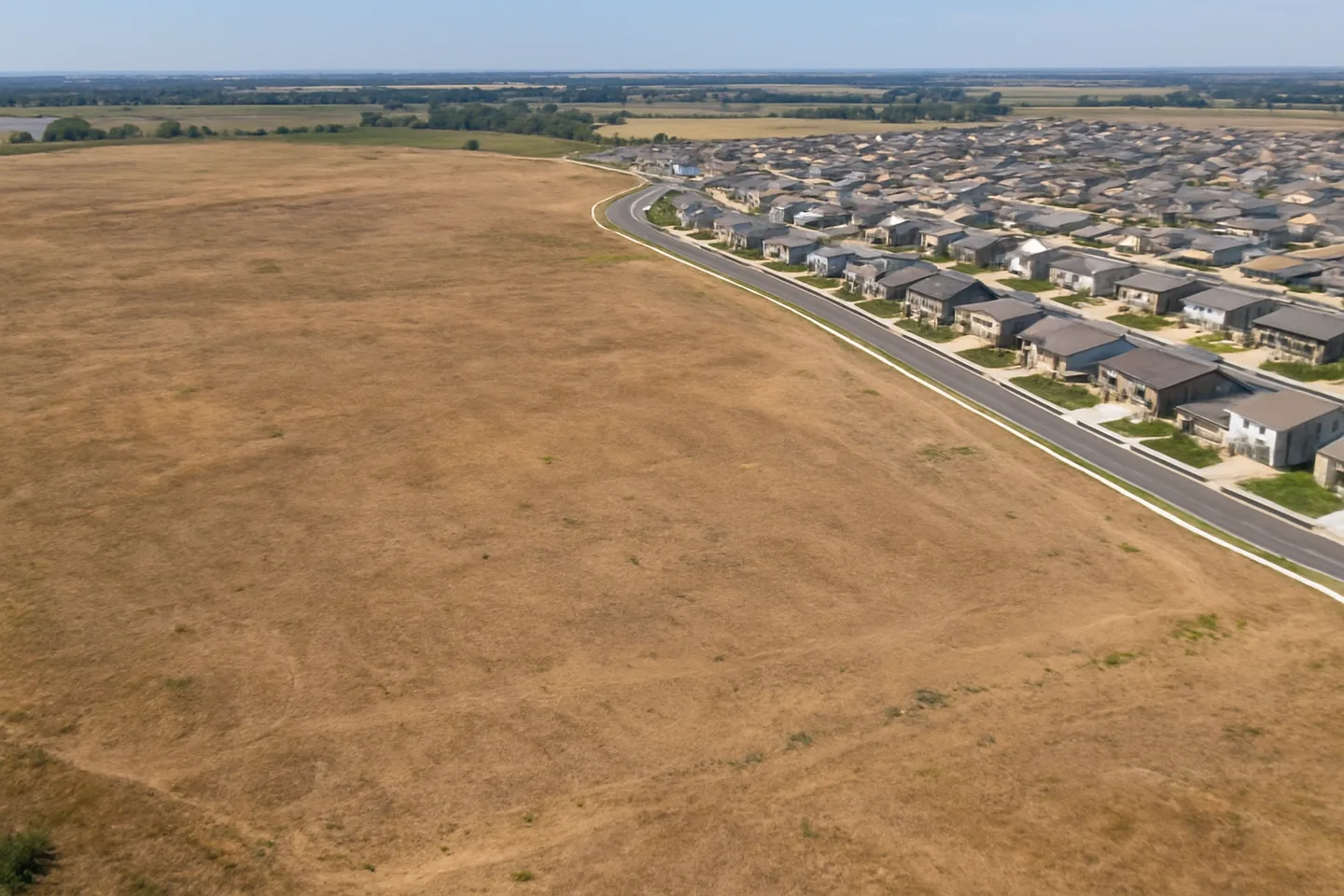
Before making an offer, every developer runs a detailed feasibility analysis to determine whether your property can support a profitable project. Understanding what they look for helps you see what your land is worth through their eyes and positions you to negotiate from strength.
Zone classification and permitted uses. The current zone designation on your parcel determines what a developer can build without seeking additional approvals. Maryland handles these designations at the county level, and each county maintains its own code and map. A parcel classified for high-density residential use is far more valuable to a housing developer than one classified agricultural, even if the two parcels sit side by side. Checking your designation with the county planning department is one of the most important steps you can take before entering any negotiation.
Topography, soil, and environmental constraints. Steep slopes, wetlands, floodplain designations, and poor soil conditions increase construction costs and reduce what a developer will pay. Maryland's Critical Area regulations along the Chesapeake Bay impose additional restrictions on parcels within 1,000 feet of tidal waters, which can severely limit what gets built.
Utility access and infrastructure. Available water, sewer, electric, and gas connections make a parcel more attractive. Undeveloped land that lacks utility access requires the developer to fund extensions, which reduces their offer price accordingly.
Market demand and absorption rates. Even well-designated land has limited value if the local land market does not support new construction. Developers study permit activity, population trends, and competing projects before committing capital. Areas with strong demand and limited supply command the highest price from development buyers.
Understanding Maryland's Approval and Entitlement Process

The permitting process in Maryland varies by county, and it directly affects how much a developer will pay for your property. Land that already carries the right zone designation for the buyer's intended project is called "entitled" or "shovel-ready" land, and it commands a significant premium over parcels that need new approvals.
The typical approval timeline in Maryland runs anywhere from 6 months to 3 years, depending on the jurisdiction and project complexity. Key steps include a pre-application meeting with the county planning department, submission of a concept plan, environmental review, stormwater management plans, traffic impact studies for larger projects, planning commission review, and final approval from the county council.
Some developers will offer to purchase land contingent on obtaining the necessary permits. This means you may sign a contract today but not close for a year or more while the developer navigates the approval process. Others prefer to buy approved land outright, accepting a higher price in exchange for reduced risk and a faster path to construction.
If your parcel currently carries a restrictive classification, a developer may still be interested, but their offer will reflect the time, cost, and uncertainty of changing it. Sellers who understand this dynamic are better equipped to evaluate whether a contingent offer or a direct sale makes more sense for their situation.
Negotiation Strategies When You Sell Land to Developers
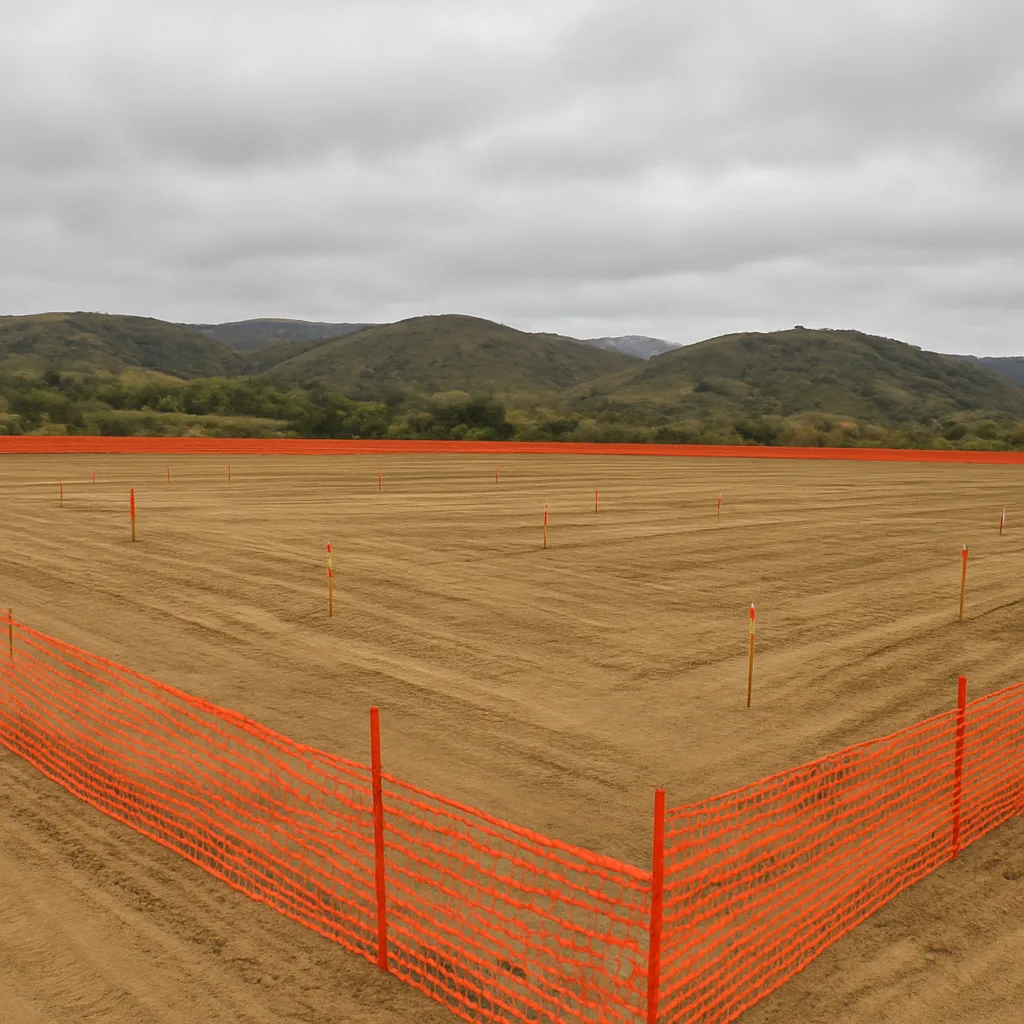
The process of selling land to a developer differs significantly from a standard real estate transaction. Developers are professional negotiators who buy parcels regularly, and going in without preparation will cost you money. These strategies help level the playing field.
Get an independent land appraisal. Before you enter any conversation about price, hire a commercial appraiser who understands land development valuation. A credible appraisal gives you an objective anchor point and prevents you from undervaluing your property. Knowing what your parcel could yield in terms of buildable units or leasable square footage helps you understand the developer's math.
Understand the offer structure. Developer offers include components beyond the headline price. Pay attention to the due diligence period (typically 60 to 180 days), earnest money deposit amounts (usually 1% to 5% of the purchase price), contingencies tied to permits, and the projected closing timeline. A high price with extensive contingencies may be worth less than a moderate price with a clean, fast close.
Get multiple offers. Never accept the first number. Market your property to several developers simultaneously to create competition. Consider working with a real estate professional who specializes in land transactions, as they can identify buyers you might not find on your own and often negotiate better terms than individual sellers achieve alone. A skilled realtor or land broker familiar with Maryland's development corridors can add significant value to the selling process.
Set hard deadlines on contingencies. Open-ended approval contingencies can tie up your property for years with no guarantee of closing. Require meaningful non-refundable deposits at key milestones and include termination dates that protect your ability to sell your property to other buyers if the deal stalls.
Account for all costs. Maryland's transfer and recordation taxes, closing costs, and potential property tax adjustments all affect your net proceeds. Build these into your calculations before you agree to a price so the final number reflects what you actually take home from the land sale.
Montgomery County and Prince George's County Development Trends
Montgomery County and Prince George's County are two of the most active development markets in Maryland, and landowners in these areas should understand the specific dynamics driving builder activity.
Montgomery County continues to see intense development pressure along the I-270 corridor and around Metro stations in Bethesda, Silver Spring, and White Flint. The county's master plans encourage higher-density construction near transit, which has pushed land values in these areas to premium levels. Even parcels in the northern part of the county near Clarksburg, Germantown, and Damascus attract developer attention as growth boundaries expand. If you own property in Montgomery County's growth path, multiple developers may compete for your parcel.
Prince George's County is undergoing a transformation driven by major projects around National Harbor, the Purple Line corridor, and downtown College Park near the University of Maryland. Land near these nodes has appreciated significantly. The county has actively courted developers with tax incentives and streamlined permitting in priority areas. If you are looking to sell land in Prince George's County, the current conditions favor sellers, particularly for parcels near planned transit stations or in designated revitalization areas.
Developer vs. Direct Cash Purchaser: Choosing the Right Path
Selling Maryland land to a developer can yield a strong sale price, but the selling process comes with significant tradeoffs that every landowner should weigh carefully.
Developer sales typically involve 6 to 18 month timelines, complex contingencies, and real uncertainty. Deals fall apart regularly when developers fail to secure financing, when approvals are denied, or when conditions shift during a lengthy review period. If you have been asking yourself "how do I sell my land without months of waiting?", the developer path may not be the right fit.
A direct purchaser who pays cash offers a fundamentally different experience. We buy land throughout Maryland and can close in as little as 2 weeks. There are no contingencies, no approval periods, and no risk of the deal collapsing after months of waiting. As dedicated purchasers, we handle the paperwork, cover all fees, and give you a straightforward path to a quick closing.
Here is how the two options compare for landowners who want to sell your land in Maryland:
- Developer sale - Higher potential price, 6 to 18 month timeline, complex contingencies, approval risk, deal may fall through
- Cash buyer sale - Fair market offer, closing in as little as 2 weeks, no contingencies, sell your land fast with certainty
The right choice depends on your priorities. If you have the time and risk tolerance for a longer process, pursuing a developer may make sense. If you prefer to sell land quickly and move on, selling directly to us provides speed and certainty that developer sales rarely match. We work with land buyers and sellers across the state, and we can give you an honest assessment of whether a developer sale or a direct sale is the better option for your specific parcel.
Frequently Asked Questions
How do I find developers interested in buying my Maryland land?
Start by researching recent development projects near your property to identify active builders in your area. Contact local real estate brokers who specialize in land selling and development parcels. Attend county planning meetings to see who is submitting applications. Industry groups like NAIOP Maryland maintain member directories of active developers. For a faster route, you can sell directly to us. We will evaluate your property and make a fair cash offer with no obligation.
What should I expect during the investigation period when selling to a developer?
Investigation periods for developer purchases in Maryland typically range from 60 to 180 days. During this time, the developer conducts environmental assessments, surveys, soil testing, and preliminary engineering studies. They also confirm your parcel's classification, review title, and begin the permitting process. Larger or more complex projects may require even longer periods. During this window, the developer usually has the right to terminate the contract, which creates real uncertainty for sellers.
Should I seek new approvals for my land before selling to increase its value?
Changing your land's designation can increase value, but it carries significant risk. The process in Maryland counties typically costs $15,000 to $50,000 or more in attorney fees, engineering studies, and application costs, with no guarantee of approval. Many landowners choose to sell land at the current classification and let the developer handle the approval risk. Alternatively, you can negotiate a higher price contingent on the developer successfully obtaining a new designation, sharing the upside without bearing the cost.
Need to sell your Maryland land? We buy land directly from owners for cash, with no fees, no commissions, and we close in as little as 2 weeks.
Loading form...